The problem: a holiday sale price looks excellent until the freight bill arrives, the delivery is refused at the dock or a used machine fails in the first month. Bar and beverage equipment is heavy, specialized and often connected to water, drains and power. That makes the true cost of a deal harder to see. This guide explains how to compare total costs, what to check before buying used gear and how to protect yourself with delivery inspection and return terms.
This is general buying advice. It does not recommend a particular supplier, and sale terms change often, so read the current policy before paying. Check local codes and licensing rules before you buy equipment that connects to plumbing, gas or power.
Work out the total cost
The sticker price is only one part of what you pay. Add each cost before you compare offers:
- The item price after the discount.
- Freight or delivery.
- Installation, if needed.
- Parts such as filters, hoses and fittings.
- Tax and any fees.
- The cost of returning the item if it does not work out.
A discount of a few hundred dollars can vanish if freight costs several hundred more than at another supplier.
Freight and delivery
Heavy items such as ice machines, back bars and sinks usually arrive by freight carrier. Ask these questions:
- Is delivery curbside, liftgate or inside?
- Who unloads the truck?
- What is the delivery window?
- What happens if no one is there to receive it?
Plan where the item will go and how you will move it. A machine that does not fit through the door is an expensive problem.
Inspect before you sign
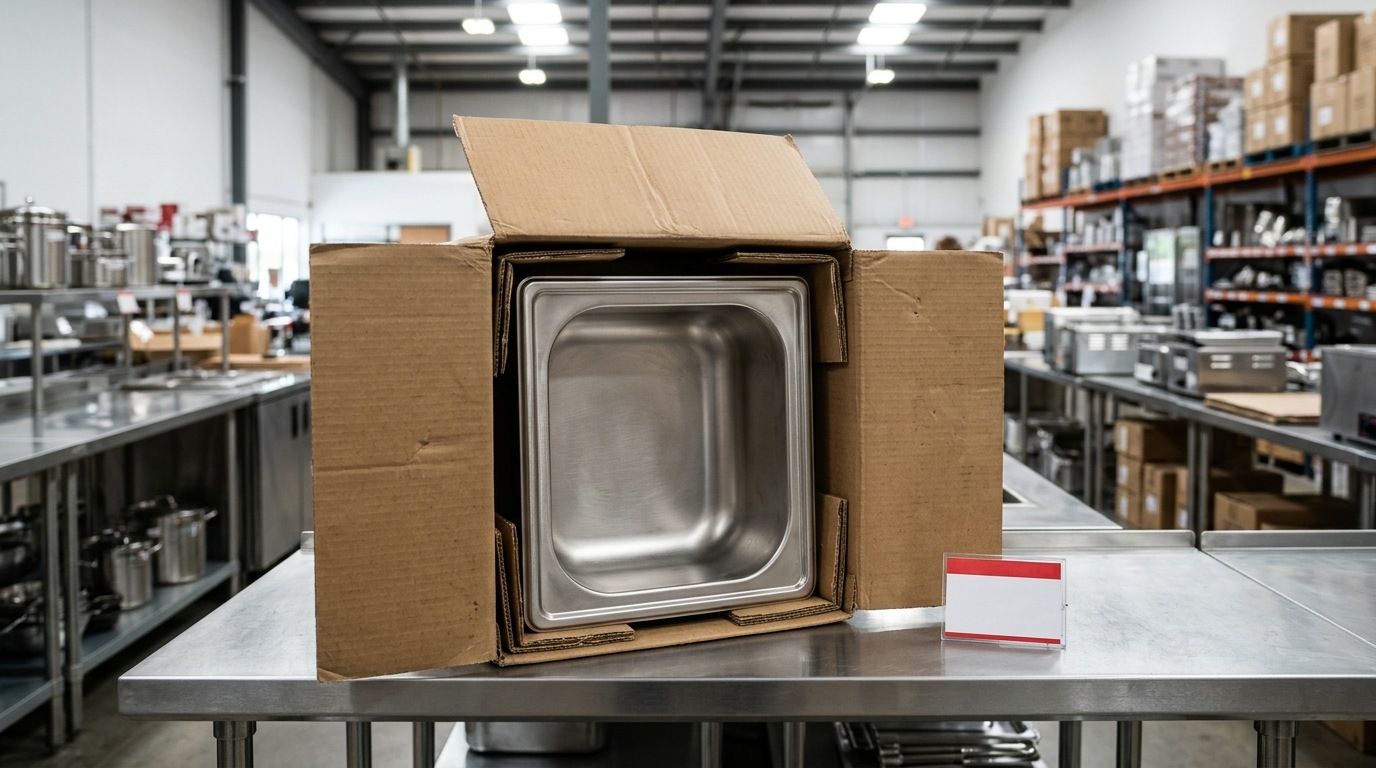
When the delivery arrives, inspect the packaging before you sign. Look for dents, tears and signs of impact. If you see damage, note it on the delivery paperwork before the driver leaves and take photos. Open the box soon after delivery and check the item against your order. Look for dents in stainless steel, loose parts and damage to the controls.
Claims for hidden damage often have a short window, so check quickly. Keep the packaging until you are sure the item is sound.
Buying used equipment
Used equipment can save money, but it carries more risk. Ask these questions:
- How old is the item, and what is its service history?
- Has it been tested, and can you see it work?
- What does the warranty cover, and for how long?
- Are parts and service available for this model?
- Does it meet current codes and local requirements?
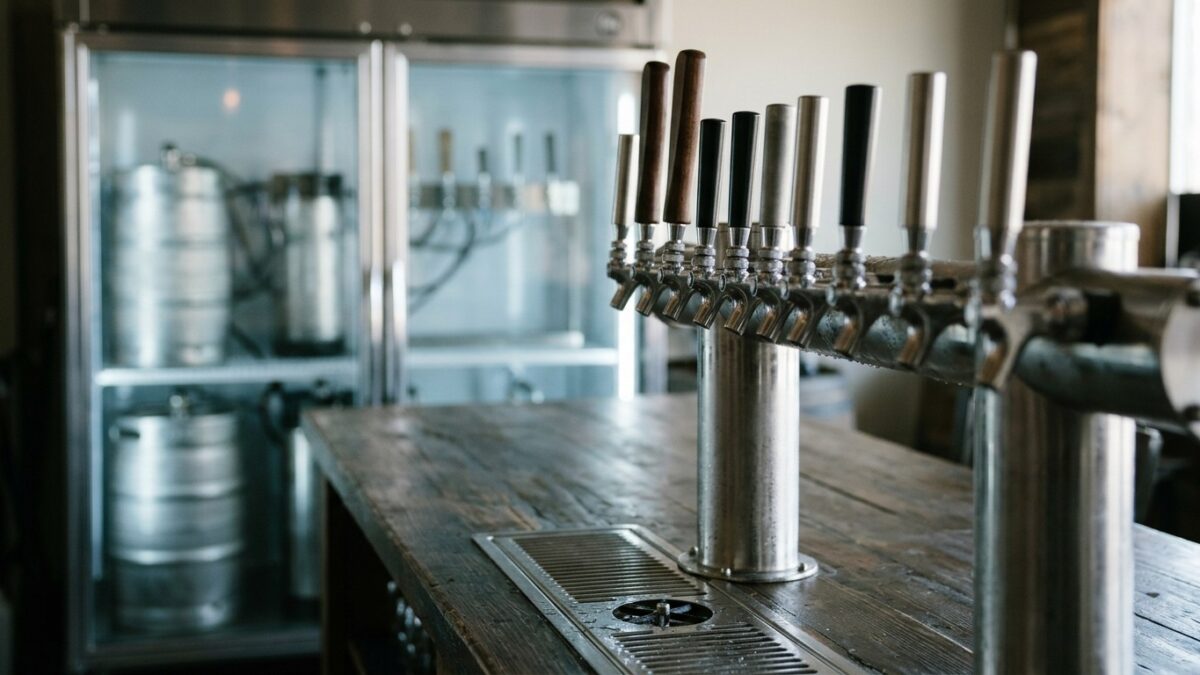
For ice machines and refrigeration, ask about the compressor and the condition of the coils. For tap towers and faucets, check for corrosion and leaks. For anything that connects to power or water, confirm the voltage, plumbing and drain requirements match your space.
Return terms
Read the return policy before you pay.
| Check | What to look for | Why it matters |
|---|---|---|
| Return window | Enough days to install and test | Faults can show up in use |
| Restocking fee | A percentage or flat fee | Can erase a discount |
| Return shipping | Who arranges and who pays | Heavy items cost more to send back |
| Condition rules | New, unused or uninstalled | Limits what you can return |
| Special orders | Final sale or returnable | Custom items are often nonreturnable |
| Warranty | Parts, labor and service | Protects against early failure |
Sale tactics to watch
Some sales raise the regular price before cutting it. Compare with other suppliers and with past prices. Bundles may include items you do not need. Count only what you will use. Limited-time offers can create pressure, so make a list of what you need before you start shopping.
Plan the installation
Equipment does not work until it is installed. Before you buy, confirm the space, the utilities and the permits you may need. Ask whether the supplier offers installation or can recommend a professional. A unit that sits in its box for weeks because of a missing drain wastes money.
Make a short list first
Write down what you need before you open a sale page. For each item, note the size, the utility needs, the budget and the date you need it by. List items that would be nice but are not necessary and treat them separately. A short list keeps you from buying a bargain that does not fit your bar.
Measure the space, the doorways and the delivery route. Note the voltage and plug type of any power outlet nearby, the location of water lines and drains and the ventilation. Share these details with the supplier if you can, and ask them to confirm that the item will work.
Questions to ask before you pay
- What is the total delivered price, including freight and fees?
- Is the item new, used or refurbished, and what is the warranty?
- What does the return policy cover, and who pays for return shipping?
- What power, water and drain connections does the item need?
- How soon will it arrive, and what happens if it is late?
- Can the supplier recommend an installer?
Keep your records
Keep order confirmations, invoices, serial numbers and photos of the delivery. Note the date you received and installed each item. Records help with warranty claims and returns.
Wrap-up
A holiday bar equipment sale is a good chance to save when you know what you need and compare the full cost. Check freight, inspect deliveries, be careful with used gear and read the return terms. A modest discount from a reliable supplier beats a deep discount with hidden costs.